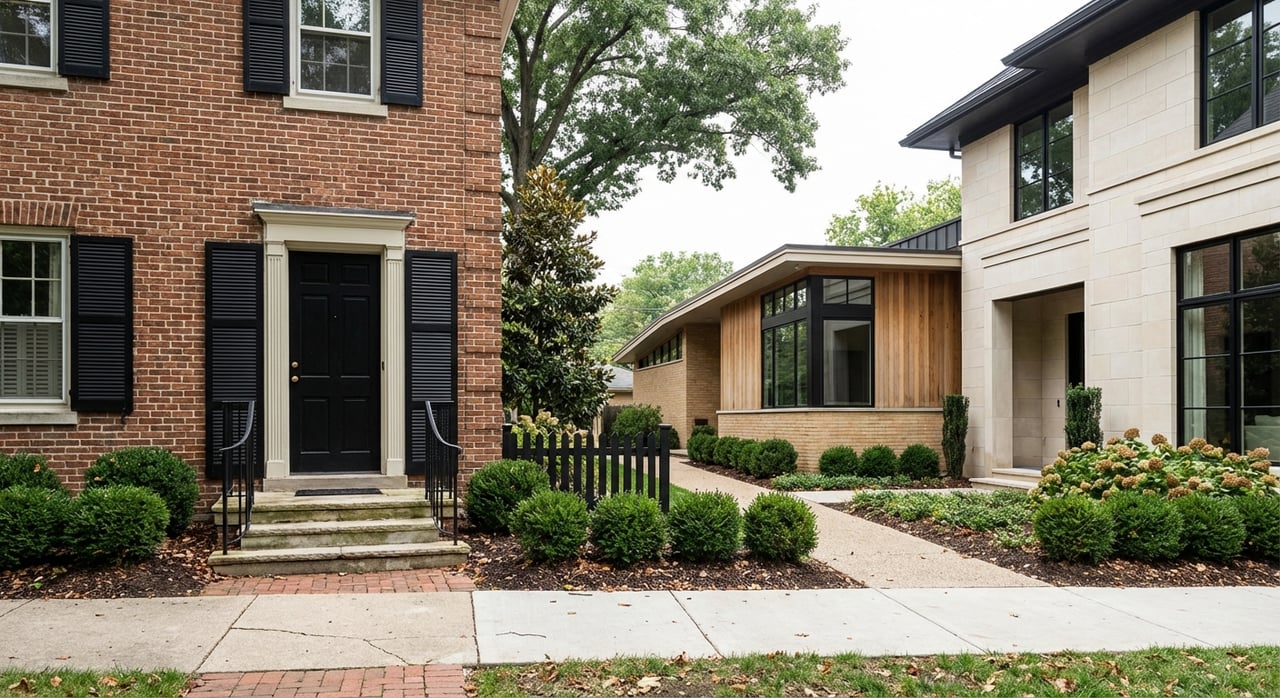
Looking at Spring Valley and wondering which home style fits your life best? You have real choice here, from classic brick Colonials to expanded mid‑century homes to statement‑making new builds. Each one “lives” differently day to day, and each has its own value drivers, update paths, and planning rules to know. In this guide, you’ll learn how the main styles compare, what to expect inside, which renovations pay off, and what to verify before you make an offer. Let’s dive in.
Spring Valley at a glance
Spring Valley sits in Northwest Washington, D.C. near American University with a low‑density, single‑family feel and leafy streets. It has roots in the 1920s revival era and today includes a mix of legacy homes and recent luxury construction. For a quick history and geography refresher, see the neighborhood overview on Wikipedia.
Homes here often sit on larger lots than the D.C. average, which means more privacy and room for outdoor living. You frequently see mature trees, landscaped yards, and driveways or garages on redeveloped properties. Larger parcels can also make additions, pools, and generous terraces more feasible, subject to zoning and permitting.
Spring Valley is a luxury‑weighted submarket. Public portal snapshots in 2025 reported median listing prices in the multi‑million range, and small shifts in new‑build activity can move those figures. If you quote any metric in your own research, always include the portal name and the date shown on the report.
Three Spring Valley home styles
Classic brick Colonials
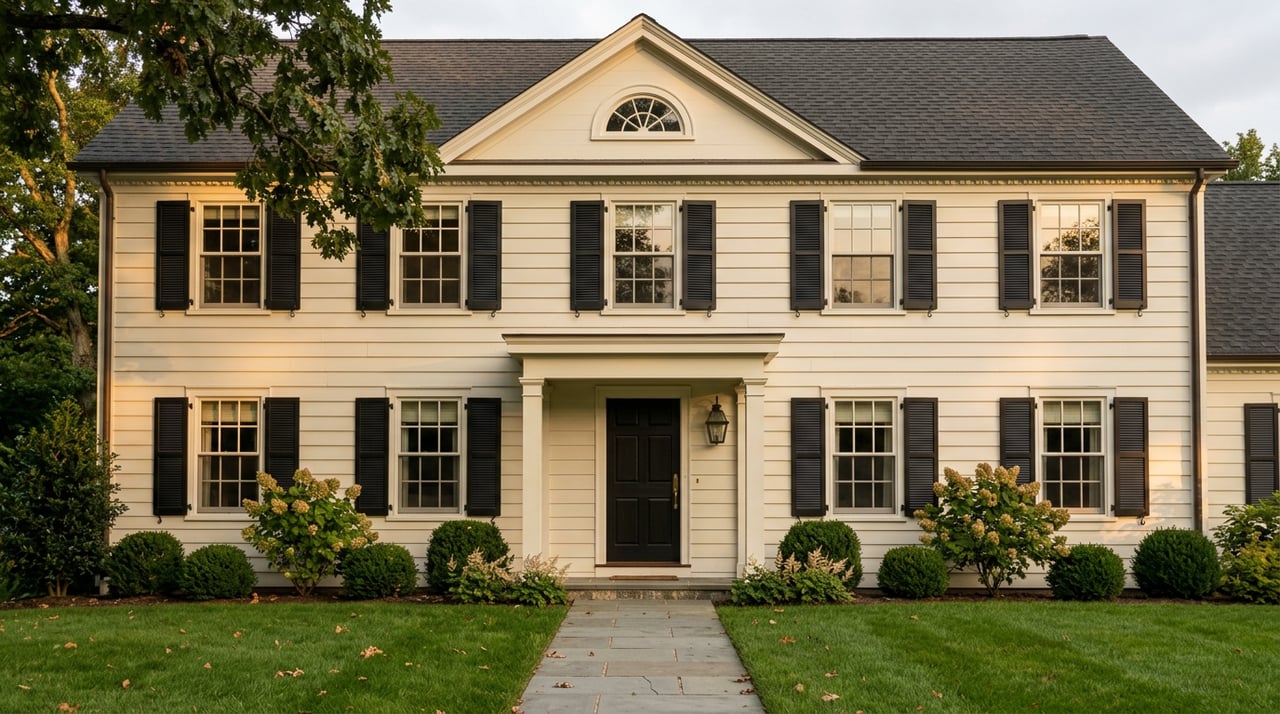
These are the neighborhood staple. You’ll recognize the symmetrical brick facade, centered front door, and balanced windows. Inside, a center‑hall plan typically leads to formal living and dining rooms, with bedrooms upstairs and service spaces on the lower level. Many date to the interwar years and were built by established Washington developers.
How they live today: You usually get formal rooms up front and a more relaxed family zone toward the rear. Many have a den or library on the main level that works well for a home office. Lower levels are often partially finished for recreation, storage, and utilities. Some homes have added a rear or side garage over time.
Updates that add value: Buyers in this price band respond to a modernized kitchen with better sightlines to a family room, an improved mudroom entry, and renovated primary suites with larger closets. Finishing the basement with good egress adds usable space. Renovation trends also show kitchen and bath projects rank among the most popular improvements, which aligns with buyer expectations here. For context on common remodeling priorities, see this summary of homeowner trends covered by Martha Stewart.
Market perception: Well‑maintained Colonials read as timeless in Spring Valley and continue to draw strong interest. Updated versions trade at a premium because they blend classic curb appeal with current function.
Expanded mid‑century homes
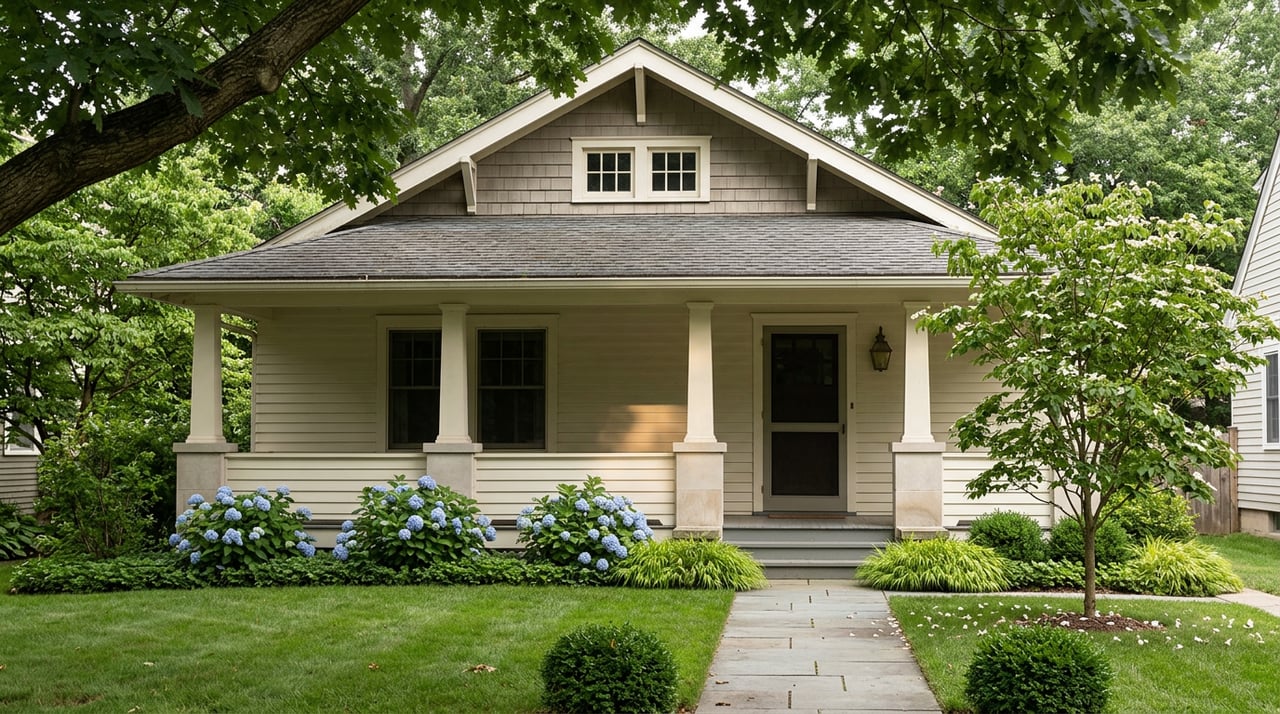
Many post‑war ranches, raised ranches, and split‑levels from the 1940s–1960s still stand in Spring Valley, often with later additions. Hallmarks include a lower horizontal profile, larger picture windows, and a plan that groups bedrooms together. For a concise look at how these homes were designed, the Encyclopedia of 20th‑Century Architecture discusses mid‑century domestic forms and ranch traits (reference).
How they live today: Owners often expand these homes with rear family‑room additions, larger kitchens, and sometimes a second story. When kept single‑level, they are attractive for anyone seeking main‑floor living, which can support aging in place or a live‑in caregiver.
Updates that add value: Smart changes include opening the kitchen, enlarging the primary suite, improving windows and insulation, and finishing lower levels. Cost‑vs‑value analysis suggests targeted interior updates and systems improvements typically recoup better than very large, ultra‑custom additions. In luxury pockets, a tasteful, fully renovated mid‑century can still achieve strong pricing. For a readable summary of current Cost vs Value patterns, review this 2025 overview (guide).
Market perception: Expanded mid‑century homes appeal to buyers who want an open, modern interior on a larger lot. For some, they offer a more value‑focused path to a Spring Valley address compared with a brand‑new custom estate.
Recent luxury new builds
Teardowns and custom estates are common in the higher‑end pockets of Spring Valley. These homes often include 4 to 5 finished levels, 5 to 8 or more bedrooms, tall main‑level ceilings, elevator or elevator‑ready shafts, whole‑house systems, and professional landscaping. Plans are designed for modern living with a large kitchen and family room anchoring the main floor, multiple office or guest suites, and a finished lower level with media, fitness, and au pair space.
Market perception: New builds command a premium for zero deferred maintenance and current design. In a small, luxury‑weighted neighborhood like Spring Valley, even a handful of high‑priced new construction listings can shift median figures. When you review pricing, note the specific date and source of any data you cite.
Match style to your lifestyle
Work‑from‑home needs
If you work remotely, look for a quiet office with good natural light and separation from the main living areas. Many Colonials already have a den or library that converts well. New builds often include two offices to support dual remote workers. Mid‑century layouts may require converting a bedroom into an office or creating a glass‑front partition for privacy.
Developers continue to respond to buyer demand for flexible floor plans and purpose‑built workspaces. For broader context on how remote work is shaping residential design choices, review ULI and PwC’s Emerging Trends analysis (report).
Multigenerational or rental flexibility
You have three common paths in Spring Valley: a main‑level suite within a single home, a legal accessory apartment where zoning allows, or a lower‑level guest or nanny suite in a new build. If you are considering a basement accessory apartment, pay close attention to D.C.’s accessory‑apartment rules.
A critical point is owner occupancy. In many R zones, an accessory apartment is permitted only with conditions, and you must occupy the property in either the primary dwelling or the accessory apartment. Always check the mapped zone for your address and the exact language in the D.C. Municipal Regulations before you assume future rental income. You can read the use permissions in Subtitle 11‑U on accessory apartments here (DCMR).
Also budget realistically. Converting a basement into a code‑compliant accessory unit often requires egress, ceiling height, waterproofing, and major mechanical upgrades. That can mean a six‑figure project when structural work is involved. For a practical overview of ADU build‑outs and permitting steps, see this local remodeling guide (overview).
Aging in place
If single‑level living is a priority, start with an expanded ranch or raised ranch. Many offer a true main‑floor bedroom and bath. A traditional Colonial can also work well if it already has a main‑level suite or space to add one. New builds frequently include elevator rough‑ins or the option to add a main‑level primary. Confirm door widths, bathroom layouts, and entry thresholds if accessibility is essential. For design fundamentals behind mid‑century single‑level plans, this architectural reference is useful (context).
Outdoor life and entertaining
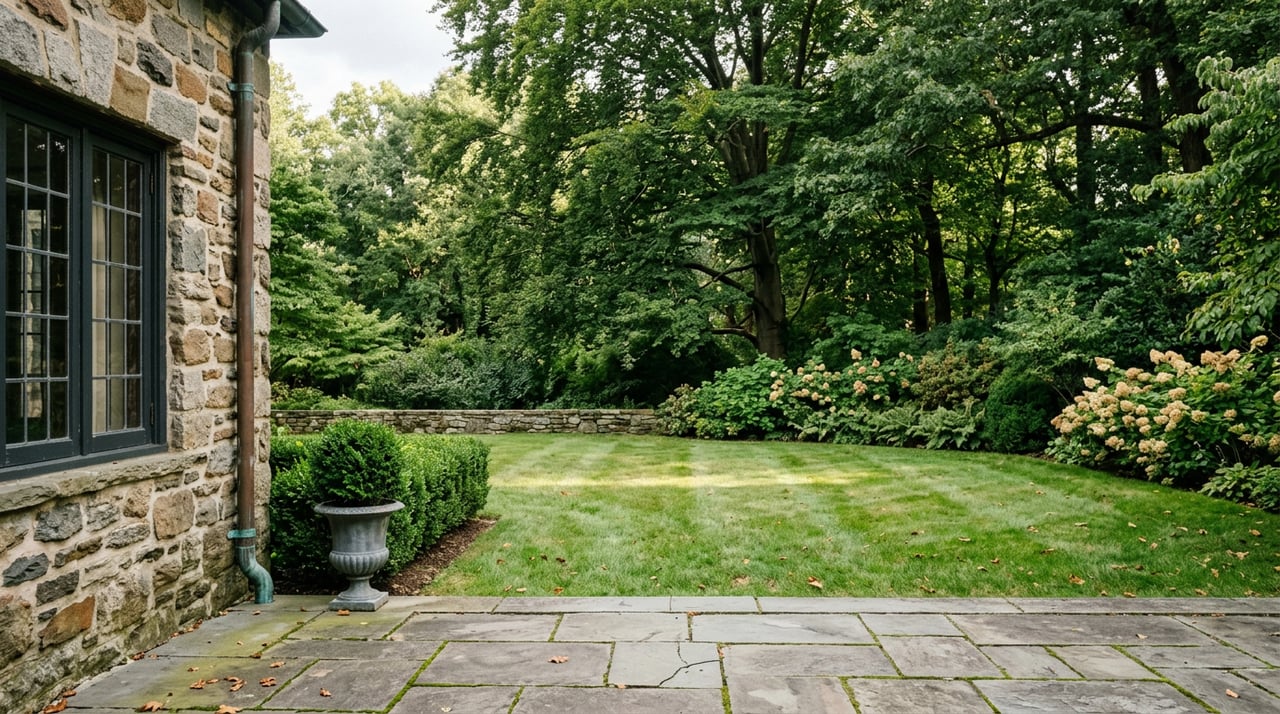
Spring Valley’s larger parcels often support generous outdoor rooms. Many properties can accommodate terraces, outdoor kitchens, play areas, and in some cases pools. Before committing to a major exterior project, confirm setbacks, tree protections, lot coverage, and any historic or neighborhood‑specific guidelines that may apply to your address.
Renovations that pay off here
In Spring Valley, buyers respond to quality. That said, you do not have to over‑customize to sell well. Across many markets, midrange kitchen and bath updates, systems upgrades, and high‑impact exterior changes like improved doors and windows tend to recoup more effectively than oversized luxury additions. The 2025 Cost vs Value summaries reflect that general pattern (insight).
Practical, value‑focused upgrades to consider:
- Kitchen improvements with better workflow and sightlines to a family room.
- Primary suite enhancements that add closet space and a well‑planned bath.
- Basement finish with legal egress and good ceiling height.
- Energy and comfort upgrades like modern HVAC, window improvements, and insulation.
- Thoughtful landscaping that frames the house and defines outdoor rooms.
Smart buyer checklist
Use this quick list as you compare Spring Valley homes:
- Confirm zoning and whether an accessory apartment is allowed by right, by special exception, or not at all for your lot. Review the DCMR language in Subtitle 11‑U and consult professionals as needed (DCMR).
- If planning a basement ADU, budget for egress, ceiling height, waterproofing, and mechanicals. Read a practical overview of costs and steps (ADU overview).
- Check the property’s permit history and inspection records to understand the quality and timing of prior work.
- Verify broadband options at the address level and note system upgrades like modern electrical panels and recent HVAC.
- Evaluate lot size and outdoor potential. Block‑by‑block differences can be meaningful in Spring Valley.
- When reviewing pricing or days on market, remember this is a small, luxury‑weighted submarket. If you cite numbers, include the source and date so your analysis stays current.
- For school planning, confirm current public school boundaries directly with DCPS. Attendance zones can change and should be verified for a specific address.
How we help you compare and win
Choosing between a Colonial, an expanded mid‑century, and a brand‑new build is about more than finishes. It is about how you want to live, what you plan to invest, and how the property will perform over time. You deserve senior‑level guidance through that analysis.
Our team brings more than 25 years of local experience and a record of 1,800 plus transactions across Northwest D.C., Bethesda, and Northern Virginia. We advise on plan quality, renovation feasibility, and value drivers by block. For privacy‑sensitive clients, we leverage Private Exclusives and developer networks to surface opportunities you will not see on the open market.
If you are ready to explore Spring Valley’s options with a tailored strategy, request a confidential market consultation with Natalie Hasny.
FAQs
What defines a Spring Valley Colonial home?
- A balanced brick facade with a center‑hall plan, formal living and dining rooms on the main level, bedrooms upstairs, and service spaces on the lower level. Many date to the interwar period and suit buyers who want traditional architecture with room to modernize.
Are accessory apartments (ADUs) allowed in Spring Valley, DC?
- Often yes, but it depends on your lot’s zone and specific conditions. In many R zones, an accessory apartment requires owner occupancy and must meet size and code limits. Review Subtitle 11‑U for details and consult professionals before assuming rental income (DCMR).
How do luxury new builds compare on price in Spring Valley?
- They typically command a premium for new systems and modern design. Because Spring Valley is a small, luxury‑weighted submarket, a few high‑priced listings can change medians. If you cite data, always include the portal and the report date.
Is a mid‑century ranch a good choice for aging in place?
- Yes, many offer true main‑level living. You can enhance accessibility with a main‑floor primary suite, wider doorways, and bathroom updates. New builds may include elevator rough‑ins or main‑level suite options as well.
Which renovations offer the best resale value in Spring Valley?
- Buyers often respond most to updated kitchens and primary baths, finished lower levels with proper egress, and systems or energy improvements. Cost‑vs‑value trends favor targeted, midrange projects over oversized luxury additions in many markets.