If you are trying to decide between Chevy Chase in DC and Chevy Chase in Maryland, you are not alone. The name sounds simple, but the day-to-day experience can feel meaningfully different depending on which side of the line fits your lifestyle, commute, and housing goals. This guide will help you understand how the two sides compare so you can move forward with more clarity and confidence. Let’s dive in.
Chevy Chase Is One Name, Two Experiences
Chevy Chase works best as a shared neighborhood identity that crosses the DC-Maryland border, not as one single place. On the District side, upper Connecticut Avenue is planned as a neighborhood corridor with housing, retail, and community amenities. On the Maryland side, the area includes the self-governing Town of Chevy Chase as well as nearby Friendship Heights and Bethesda, which bring a more urban retail and transit feel.
That matters because your experience of Chevy Chase can shift quickly depending on where you stand. One block may feel like a quiet residential street with historic homes, while another may feel tied to shopping, transit, and a more active daily rhythm. Both sides share an older inner-suburb character shaped by transportation, public institutions, and early suburban planning.
DC Chevy Chase at a Glance
DC Chevy Chase feels like a compact neighborhood main street connected to surrounding residential blocks. The Connecticut Avenue corridor is known for neighborhood-serving businesses, civic uses, and future mixed-use growth rather than a downtown-style commercial center.
In practical terms, that gives you a concentrated daily routine. The corridor includes a grocery store, post office, pharmacy, seafood market, deli, liquor stores, bank branches, cafés, restaurants, a toy store, clothing retailers, a gas station, an independent movie theater, a library, and a community center.
What Daily Life Feels Like in DC
If you value errands on foot, DC Chevy Chase has a strong case. The west side of Connecticut Avenue is described as especially walkable, with narrower lots, more storefront windows and doors, more sidewalk café activity, and fewer curb cuts.
The east side reads differently. It is more auto-oriented, with larger lots and more surface parking. That contrast can shape how connected the area feels from one stretch of the corridor to the next.
Civic Spaces and Community Amenities
The civic core is also evolving. The current Chevy Chase Community Center offers programming such as dance, fencing, pottery, and woodworking.
The Chevy Chase Civic Site plan would replace the existing library and community center with a new library, a new community center, and housing. For buyers thinking long term, that signals continued investment in the neighborhood’s public-facing amenities.
Maryland Chevy Chase at a Glance
Maryland Chevy Chase is more layered. The Town of Chevy Chase sits just north of the District line and maintains a largely low-rise, residential character, while Friendship Heights adds a denser mixed-use and transit-oriented environment closer to the border.
This means Maryland Chevy Chase is not one uniform setting. Some parts feel village-like and quiet, while others are more closely tied to shopping centers, Metro access, and multifamily development.
The Town of Chevy Chase Feel
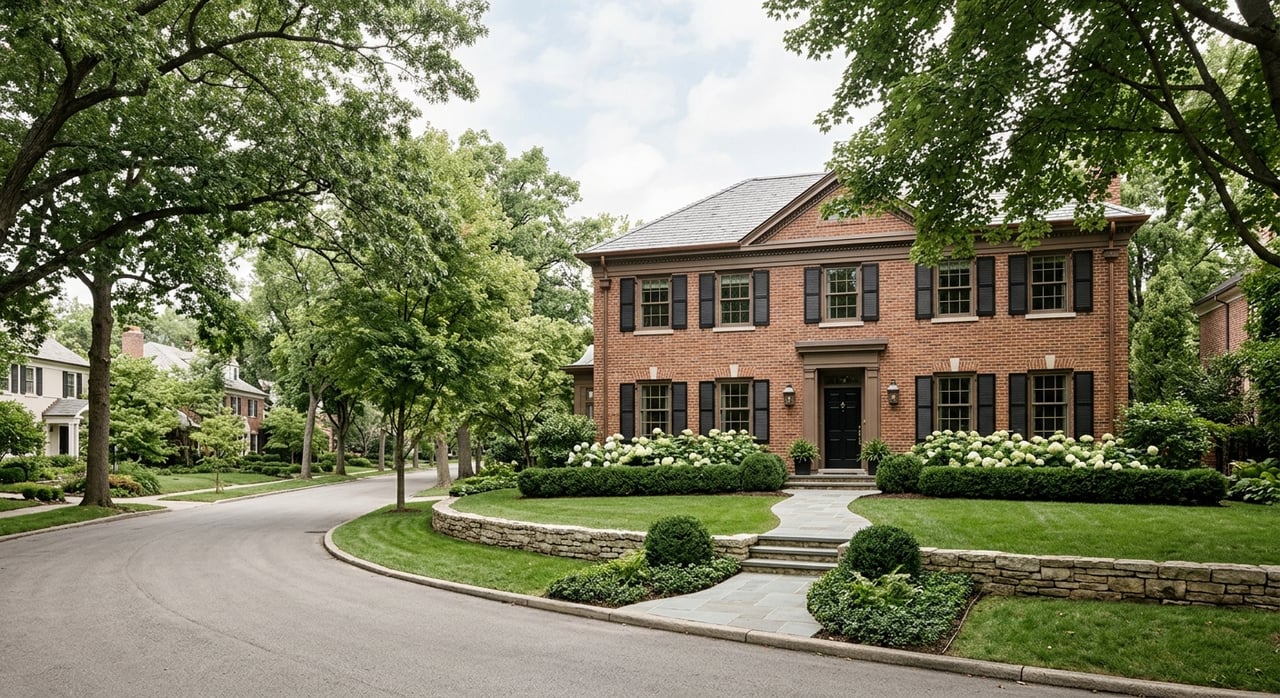
The Town of Chevy Chase is best known for its historic residential setting and long tradition of local land-use oversight and preservation. The scale is generally lower, and the overall rhythm is more residential than commercial.
If you picture tree-lined streets, historic homes, and a quieter daily pace, this side of Chevy Chase may align more closely with that vision. It feels less like a single retail corridor and more like a collection of residential streets connected to nearby amenity hubs.
Friendship Heights and Bethesda Access
Friendship Heights gives Maryland Chevy Chase a more urban edge. It is shifting from a drivable shopping destination toward a more walkable urban center with neighborhood-serving businesses and new housing.
The village shuttle connects residential buildings, the community center, the Chevy Chase Center, Whole Foods, and the Metro stop, with service to Giant on selected days. Bethesda adds another nearby anchor, with shopping and recreation access near Bethesda station and the Bethesda Trolley Trail.
Housing Styles on Both Sides
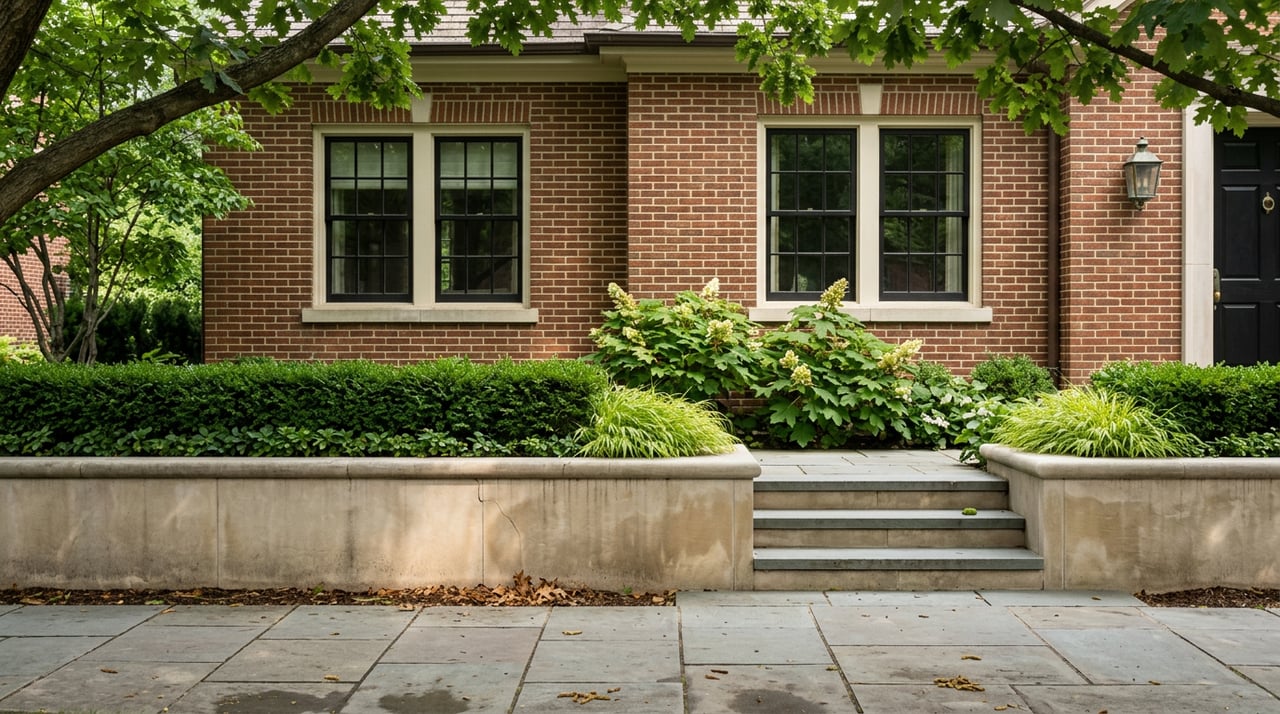
One of the biggest differences between DC and Maryland Chevy Chase is housing mix. On the DC side, the historic district includes single dwellings, twin dwellings, garages, apartment buildings, civic and commercial buildings, and churches.
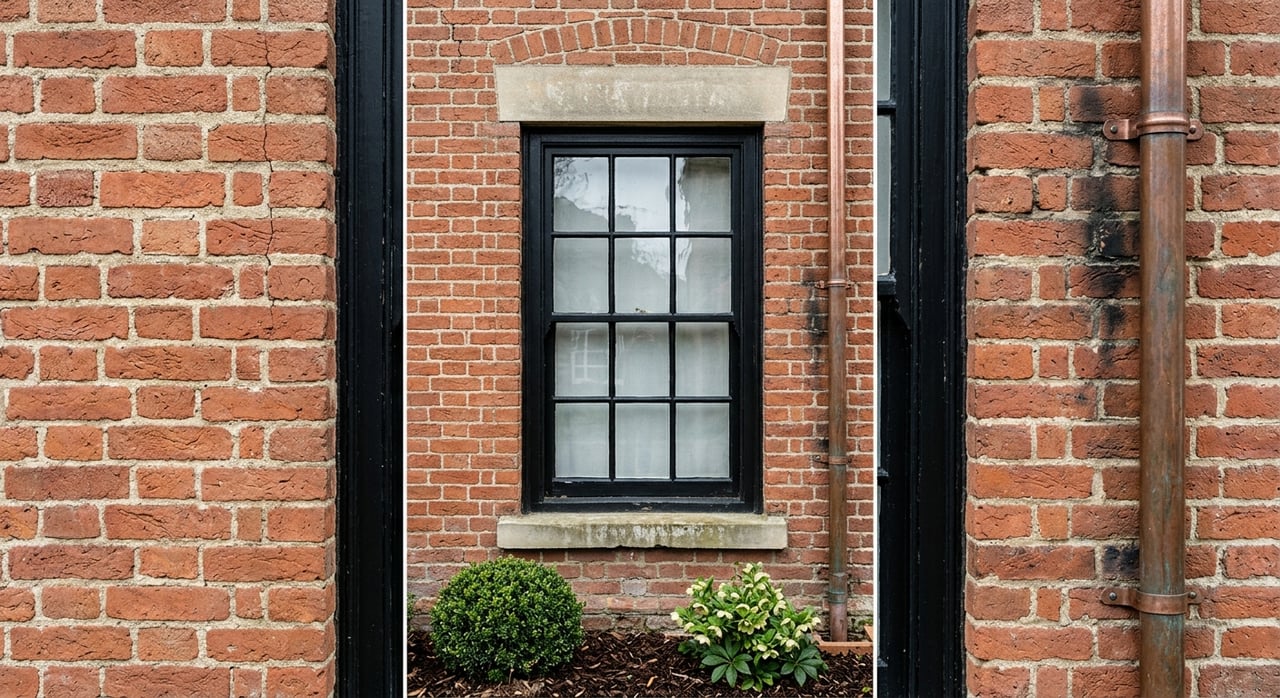
Architecturally, you will find Colonial Revival, Tudor Revival, Craftsman, Spanish Colonial Revival, and other early 20th-century styles. Commercial buildings along the corridor are generally older and modest in scale, with much of the development dating from the 1920s through the 1960s.
Maryland Housing Character
On the Maryland side, the architectural fabric is notably eclectic. Styles include Academic Eclecticism, Colonial Revival, Arts and Crafts, Mediterranean, and Prairie.
The more important distinction for many buyers is scale. The Town of Chevy Chase is mostly low-rise and residential, while Friendship Heights introduces taller multifamily buildings and mixed-use towers closer to the DC line.
Walkability, Errands, and Everyday Rhythm
If you are choosing between the two sides, think beyond commute time and square footage. Consider how you want your week to flow.
DC Chevy Chase offers a more continuous street-front commercial experience. Many daily needs are concentrated along one corridor, which can make routines feel efficient and predictable.
Maryland Chevy Chase is more node-based. Friendship Heights and Bethesda provide strong amenity clusters, but the Town of Chevy Chase itself feels quieter and more residential between those destinations.
Which Side Feels More Walkable?
The answer depends on what you mean by walkable. If you want a classic neighborhood main street with storefronts and frequent day-to-day stops, DC Chevy Chase has the clearer edge, especially on the west side of Connecticut Avenue.
If you want a residential setting with walkable access to major retail and transit nodes, parts of Maryland Chevy Chase may be a better fit. Friendship Heights and Bethesda support that lifestyle, even though the experience is less centered on one continuous corridor.
Parks, Trails, and Outdoor Access
Green space is a major part of Chevy Chase identity on both sides of the line. Rock Creek Park offers more than 30 miles of trails, and Chevy Chase Circle helps give the border a ceremonial, landscaped feel rather than a hard divide.
The Capital Crescent Trail is another major everyday asset. It runs from Georgetown to Bethesda and is heavily used by walkers, joggers, bikers, and rollerbladers, making it useful for both recreation and commuting.
For many buyers, this outdoor access is not just a bonus. It becomes part of the weekly rhythm and can shape how connected the neighborhood feels to the rest of the region.
Commuting Around Chevy Chase
Chevy Chase supports more than one commuting pattern. On the DC side, many residents rely on Connecticut Avenue bus service and nearby Red Line stations.
WMATA’s D70 route runs from Chevy Chase Circle to Farragut Square by way of Van Ness, Cleveland Park, Woodley Park, and Dupont Circle. That helps explain why many residents think in terms of a north-south corridor commute instead of a car-only routine.
Metro Access on Both Sides
Nearby Red Line options include Van Ness-UDC and Tenleytown-AU in DC, plus Friendship Heights and Bethesda on the Maryland side. Friendship Heights station is especially important because it sits on the District and Montgomery County border and provides direct access to major shopping centers.
That border-station role gives the Maryland side strong regional connectivity. Even if your immediate block feels residential, the transit network may still be close at hand.
How to Choose the Right Side
For early-stage buyers, the decision often comes down to a few practical questions:
- Do you want a more continuous neighborhood retail corridor?
- Do you prefer a quieter residential setting near larger amenity nodes?
- Are you focused on historic detached homes, or do you want access to multifamily options near transit?
- Would you rather center your routine on Connecticut Avenue, Friendship Heights, or Bethesda?
Neither side is objectively better. The right fit depends on how you want to live day to day, what kind of property you are targeting, and how important walkability, transit, and neighborhood scale are in your search.
For buyers and sellers in this part of the market, that nuance matters. A block-by-block understanding of Chevy Chase can shape pricing, competition, and the type of opportunities you see, including more discreet options that may not fit a broad public search.
If you are considering a move in Chevy Chase on either side of the line, Natalie Hasny offers principal-led guidance with deep experience across Northwest DC and Bethesda, whether you are buying, selling, or exploring a confidential market consultation.
FAQs
What is the difference between Chevy Chase DC and Chevy Chase Maryland?
- Chevy Chase DC centers more on the Connecticut Avenue corridor with neighborhood-serving shops, civic uses, and mixed-use growth, while Chevy Chase Maryland includes quieter residential areas like the Town of Chevy Chase along with more urban nodes such as Friendship Heights and nearby Bethesda.
Is Chevy Chase DC more walkable than Chevy Chase Maryland?
- DC Chevy Chase has the more continuous main-street feel, especially on the west side of Connecticut Avenue, while Maryland Chevy Chase is highly walkable around Friendship Heights and Bethesda but generally more residential and node-based in the Town of Chevy Chase.
What types of homes are common in Chevy Chase DC?
- DC Chevy Chase includes detached homes, twin dwellings, small apartment buildings, and older corridor commercial buildings, with architecture such as Colonial Revival, Tudor Revival, Craftsman, and Spanish Colonial Revival.
What types of homes are common in Chevy Chase Maryland?
- Maryland Chevy Chase is known for historic detached houses in a range of styles, including Colonial Revival, Arts and Crafts, Mediterranean, Prairie, and other eclectic early suburban designs, with taller multifamily buildings concentrated near Friendship Heights.
Is Chevy Chase a good area for commuting into DC?
- Chevy Chase offers several commuting options, including Connecticut Avenue bus service in DC and nearby Red Line access from stations such as Van Ness-UDC, Tenleytown-AU, Friendship Heights, and Bethesda.
What outdoor amenities are near Chevy Chase DC and Maryland?
- Both sides benefit from access to Rock Creek Park and the Capital Crescent Trail, which support walking, running, biking, and everyday recreation as well as some commuting use.