If you are thinking about buying a historic home in Cleveland Park, you are not just shopping for square footage. You are choosing a house with a story, a streetscape with a distinct identity, and a set of ownership responsibilities that can look different from a newer home. The good news is that with the right due diligence, you can buy with more confidence and a clearer plan for what comes next. Let’s dive in.
Why Cleveland Park Feels Different
Cleveland Park Historic District was designated in 1987, and its period of significance runs from 1880 to 1941. The DC Office of Planning identifies it as an early streetcar suburb, with a landscape shaped in part by a picturesque street plan associated with Frederick Law Olmsted’s firm.
That history still shows up in the way the neighborhood looks and feels today. The district is known for tree-shaded streets, large front yards, generous porches, and roads that follow the natural terrain rather than a strict grid.
For you as a buyer, that means the setting matters almost as much as the house itself. Cleveland Park offers a historically varied mix of estates, late-Victorian and early-20th-century single-family homes, apartments, and a commercial corridor, so it helps to think of the neighborhood as layered and eclectic rather than uniform.
Expect Style Variety, Not One Template
One of the biggest mistakes buyers can make in Cleveland Park is assuming there is a standard house type. There is not. The historic district includes Carpenter Gothic, Queen Anne, Shingle, Dutch Colonial Revival, Mission Revival, Colonial Revival, Craftsman Bungalows, Developer’s Georgian, Tudor Revival, Foursquare, Art Deco, and later contemporary examples.
That range matters when you compare homes. A Queen Anne from the 1890s, a Foursquare from the early 1900s, and a Craftsman bungalow from the 1910s may sit within the same neighborhood, but they can have very different construction methods, layouts, and renovation histories.
You may also notice material differences block by block. Cleveland Park includes a notable number of frame houses with local Rock Creek granite foundations, which is distinctive in a city better known for brick construction. Later development added more brick and stone homes, so even neighboring properties can require very different maintenance strategies.
What Floor Plans Are Really Like
In many neighborhoods, buyers ask what the “typical” layout looks like. In Cleveland Park, that question usually does not have one simple answer. The neighborhood’s character often comes through exterior features like porches, gables, dormers, and steep roofs, and those details reflect different eras and design approaches.
Because homes were built across several decades by different architects and developers, interior layouts can vary widely. Some homes may have more formal room divisions, while others may reflect simpler early-20th-century planning. The key is to evaluate each house on its own merits instead of assuming a neighborhood-wide pattern.
Focus on the Exterior First
When you buy a historic home, the exterior envelope deserves close attention. Roof condition is a major priority because a weather-tight roof is basic to preserving the structure, and roof failure can accelerate damage to wood, masonry, plaster, and paint.
A thorough inspection should include both the visible exterior roof and conditions that can be observed from inside the attic or upper structure where possible. If a roof has been patched repeatedly, replaced with mismatched materials, or shows signs of moisture intrusion, that deserves a closer look before you finalize your budget.
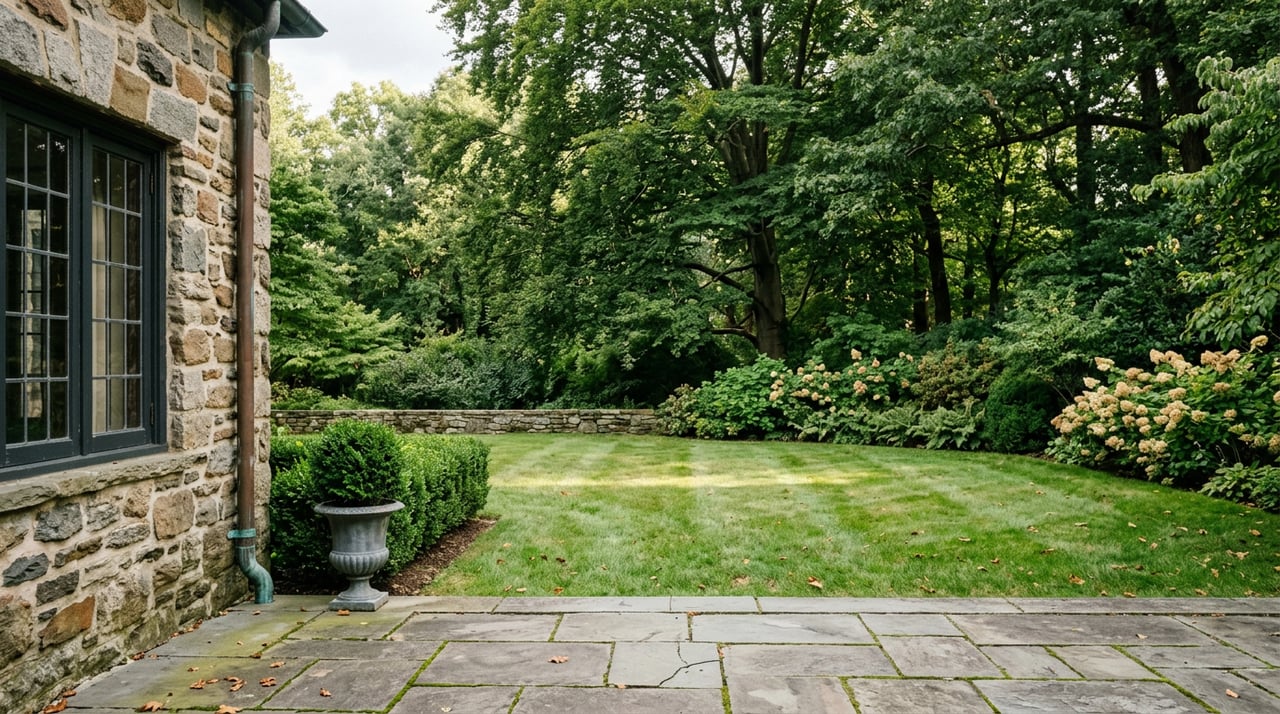
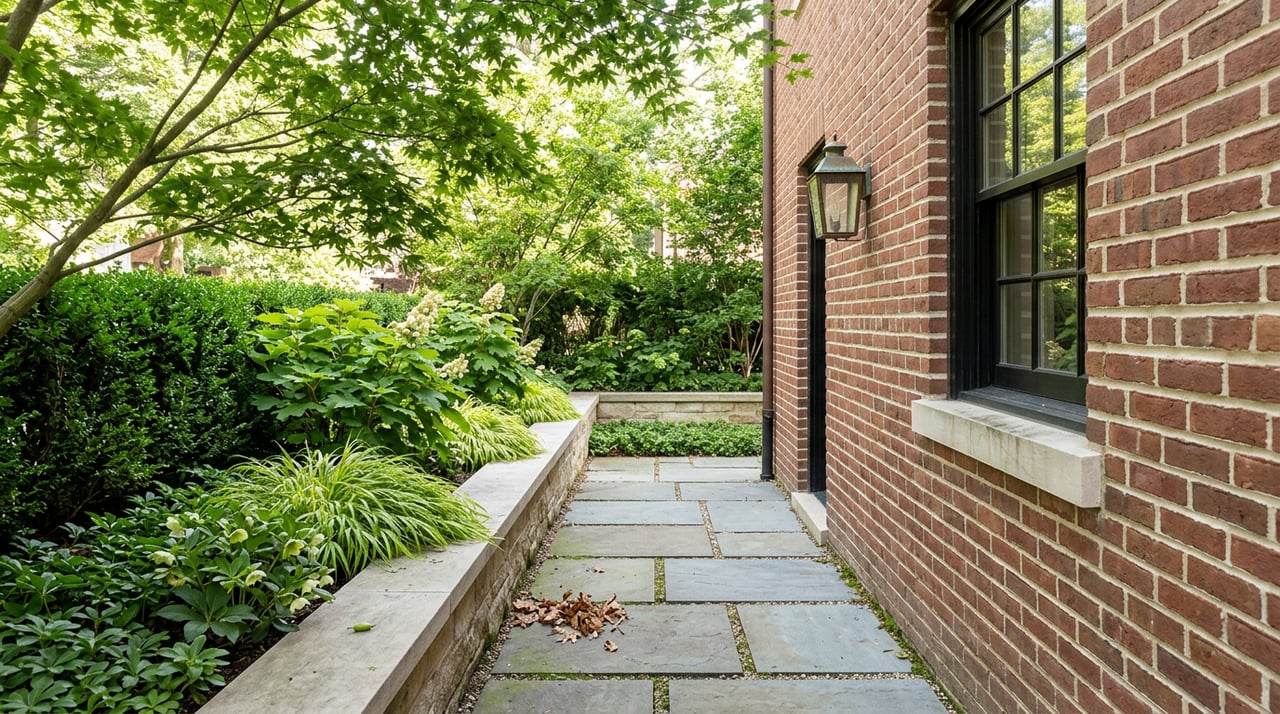
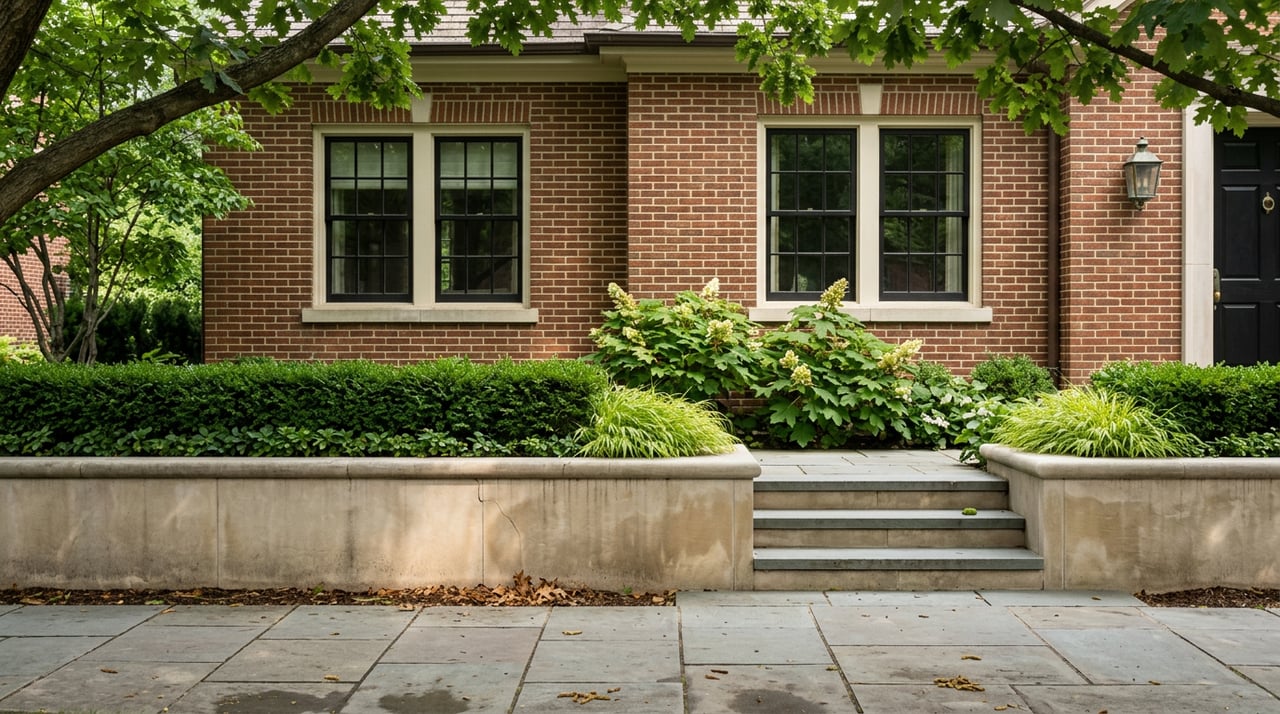
Masonry also requires careful review in older homes. Historic brick and stone should not be treated like generic modern masonry, because hard mortars, abrasive cleaning methods, and waterproof coatings can damage older materials.
If you are looking at a house with visible repointing, repaired stonework, or aging brick, it is wise to understand not just whether work was done, but how it was done. In a neighborhood like Cleveland Park, preservation-aware evaluation can matter as much as the repair itself.
Pay Close Attention to Porches and Windows
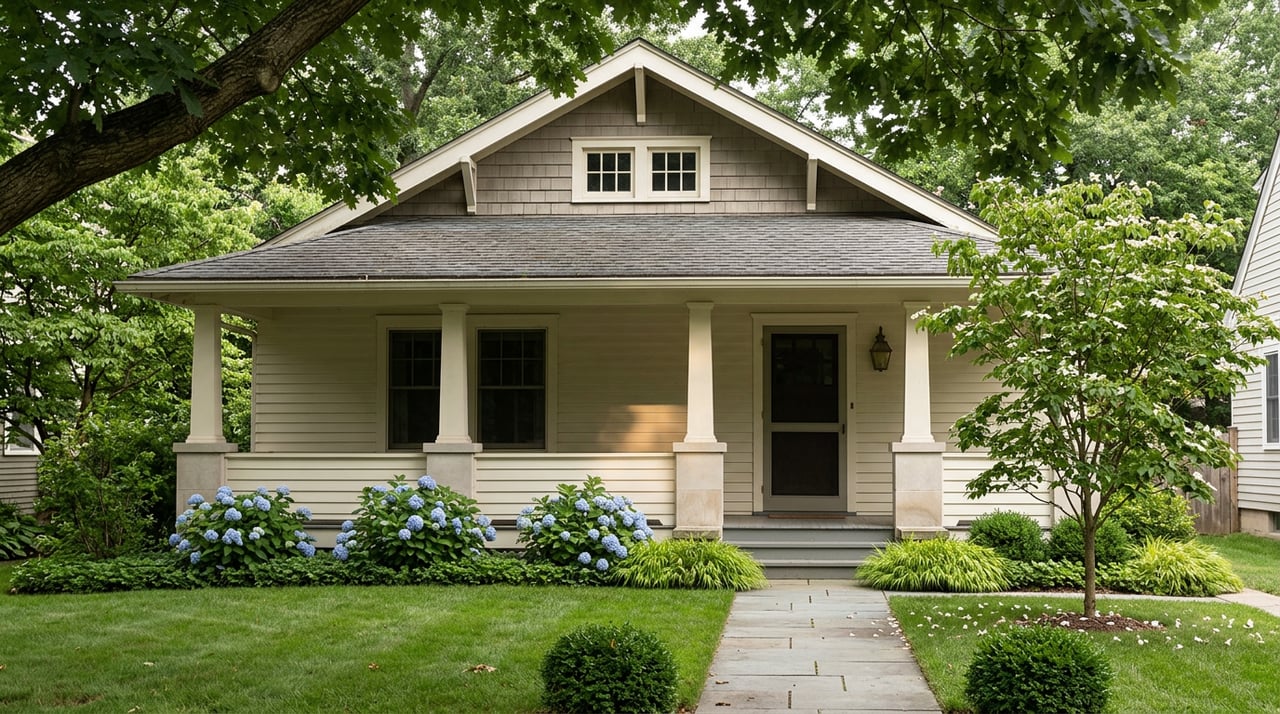
In Cleveland Park, porches are more than decorative extras. They are character-defining features that help shape the look of the house and the street, and historically they have functioned as outdoor rooms and social spaces.
Because many porches are wood, they can be vulnerable to moisture, rot, insect damage, and older alterations. If a porch has been enclosed, rebuilt, or heavily modified, that can create both maintenance questions and preservation-review considerations.
Windows deserve the same level of care. In many historic homes, original windows are often repairable, and performance can frequently be improved with measures like weatherstripping, caulking, glazing repair, or storm windows.
For buyers, this matters because “old windows” do not automatically mean “replace everything.” In a historic district, the better question is often whether the windows can be repaired and improved in a way that respects the house while addressing comfort and efficiency.
Understand Systems Before You Renovate
Historic homes often have systems that were updated in stages over many years. A house may have charming original features and a newer kitchen, but still have uneven insulation, air leakage, or older mechanical components in other areas.
Before planning major comfort or energy upgrades, an energy audit can help identify where the house is actually losing performance. Common problem points include windows, doors, attic hatches, baseboards, chimney and foundation junctions, and openings where pipes or wires pass through the building.
That kind of information is useful because it gives you a more complete picture of ownership costs. It also helps you avoid spending money in the wrong order, especially in a house where preservation goals and practical upgrades need to work together.
Know How DC Review Works
One of the most common concerns buyers have is whether owning a historic property means a completely separate permit system. In DC, it does not. Historic-property owners use the same basic building-permit process as other owners, but preservation review is an added step within that process.
In practical terms, Historic Preservation Office clearance of the building permit application serves as the preservation approval. That is an important distinction because it means the process is integrated, not entirely separate.
Historic preservation review is required when a building permit is needed for work that affects exterior appearance, and it also applies to designated historic interiors. Types of work that can trigger review include additions, window and door replacement, roofing, siding, decks, fences, retaining walls, site features, and mechanical equipment.
Most preservation-review applications are handled through expedited review, which can simplify more routine work. For more complex projects, concept review through the Historic Preservation Review Board is available and is recommended early so key design issues can be addressed before full drawings are complete.
Plan Renovations with Character in Mind
If you hope to update or expand a Cleveland Park home, the goal is usually not to freeze the house in time. It is to make thoughtful changes while retaining the distinctive materials, features, finishes, and craftsmanship that define the property.
That standard creates a useful framework for decision-making. First, understand the existing condition. Then determine what can be preserved or repaired, what must be replaced, and how any new work can match or respect the old.
This approach is especially helpful if you are comparing two homes with different renovation potential. One house may be cosmetically ready but harder to alter externally, while another may need more immediate work but offer a clearer path for a well-planned update.
You should also pay attention to site-related improvements. In DC, public-space work involving elements like stoops, projections, fences, or other site features can trigger DDOT review, so buyers with exterior plans should check those details carefully before closing.
A Smart Buyer Checklist
If you are serious about buying a historic home in Cleveland Park, these are the issues worth prioritizing early:
- Confirm whether the property sits within the Cleveland Park Historic District.
- Review the roof carefully for age, active leaks, and signs of deferred maintenance.
- Assess masonry and stonework with an eye toward preservation-appropriate repairs.
- Look closely at porches, railings, columns, and any signs of moisture or rot.
- Evaluate windows for condition and repair potential before assuming replacement.
- Ask how and when major systems were updated.
- Consider an energy audit before planning large comfort or efficiency upgrades.
- Verify whether your renovation goals could trigger preservation or DDOT review.
- Evaluate each home individually rather than relying on a “typical Cleveland Park house” assumption.
Why Guidance Matters in Cleveland Park
Buying a historic home in Cleveland Park can be deeply rewarding, but it works best when you go in with clear expectations. The neighborhood’s appeal comes from its architectural variety, mature setting, and preserved character, yet those same qualities also make each purchase more nuanced.
A careful buying strategy can help you distinguish between charm that has been well maintained and charm that may come with larger near-term costs. It can also help you assess renovation potential with more realism, especially if you value both architectural character and modern livability.
In a neighborhood where no two houses are quite alike, informed guidance is not a luxury. It is part of buying well.
If you are considering a purchase in Cleveland Park and want discreet, experienced guidance on property selection, due diligence, and renovation considerations, Natalie Hasny can help you navigate the process with clarity and confidence.
FAQs
What makes a Cleveland Park home historic?
- Cleveland Park Historic District was designated in 1987, and the DC Office of Planning identifies its period of significance as 1880 to 1941.
What architectural styles are common in Cleveland Park?
- The district includes a wide range of styles, including Queen Anne, Colonial Revival, Craftsman, Tudor Revival, Foursquare, Shingle, Dutch Colonial Revival, Art Deco, and others.
Do Cleveland Park homes have a typical floor plan?
- No. Interior layouts vary widely by era, architect, and renovation history, so each property should be evaluated individually.
Can original windows stay in a Cleveland Park historic home?
- Often yes. Historic windows are frequently repairable, and performance can often be improved with weatherstripping, caulking, glazing repair, or storm windows.
Do exterior renovations in Cleveland Park need review?
- Often yes. In DC, work affecting the exterior appearance of a historic property may require preservation review as part of the building-permit process.
What should buyers inspect first in a Cleveland Park historic home?
- Priority areas include the roof, masonry, porches, windows, and major mechanical systems, since these items can affect both preservation and long-term ownership costs.