What makes one Northwest DC block feel like a European village while another reads as stately and classical? If you are shopping, selling, or simply curious, knowing the city’s signature home styles helps you see value, plan updates, and understand how these homes live today. In this tour, you will learn the defining features of each major style, where to find them, how they are typically modernized, and what to expect with preservation review. Let’s dive in.
How to read Northwest DC architecture
Northwest DC holds a concentrated mix of historic districts and eras, from late 18th century forms to 21st century infill. You will find dense rowhouse neighborhoods, embassy rows, and leafy single‑family areas within a short drive of each other. The city’s planning resources document this diversity across the NW quadrant in multiple historic districts and neighborhoods. For context, review the city’s overview of historic areas and forms in the comprehensive plan materials from the Office of Planning.
Wardman rowhouses: classic rhythm and proportion
What to look for
Wardman‑era rowhouses, built in the early 1900s, are brick with classically detailed facades, projecting bays, and raised entries or small front lawns. Inside, you often see tall ceilings, well‑proportioned rooms, and original millwork. Repeating lintels and cornices create a strong street rhythm on many blocks.
Where you see them
Harry Wardman was a prolific early 20th century developer who produced large series of rowhouses in Bloomingdale and Columbia Heights, with additional runs in Mount Pleasant and Woodley Park. The Bloomingdale Historic District nomination details many of these projects and their characteristic features.
How they live and modernize
Historic plans often placed the kitchen on the lower level or in a rear ell, with formal parlors on the main floor. Today, most renovations move the kitchen to the parlor level, open living and dining rooms, and extend at the rear for indoor‑outdoor flow. For a clear example of how a 1910 rowhouse adapts to open living, see this Washington Post case study in Mount Pleasant.
Tudor Revival rows: Foxhall Village’s storybook streets
What to look for
Tudor Revival or “English‑village” rows use steep slate or slate‑like roofs, half‑timbering with stucco, tall narrow casement windows, and decorative brick patterns. Rows are often staggered to feel picturesque rather than perfectly flat.
Neighborhood exemplar
Foxhall Village, a planned 1920s neighborhood near Georgetown, is one of NW DC’s clearest Tudor compositions. The historic district nomination for Foxhall Village describes a cohesive plan of about 300 Tudor‑style rowhouses and explains its intact character.
How they live and modernize
Homes tend to have compact footprints with tall volumes and usable attics. Because facades are character‑defining, most change happens at the rear and inside. Many owners finish basements, update kitchens and baths, and add small rear expansions. In historic districts, exterior work is typically reviewed for compatibility.
Colonial, Federal, and Georgian revival: timeless symmetry
What to look for
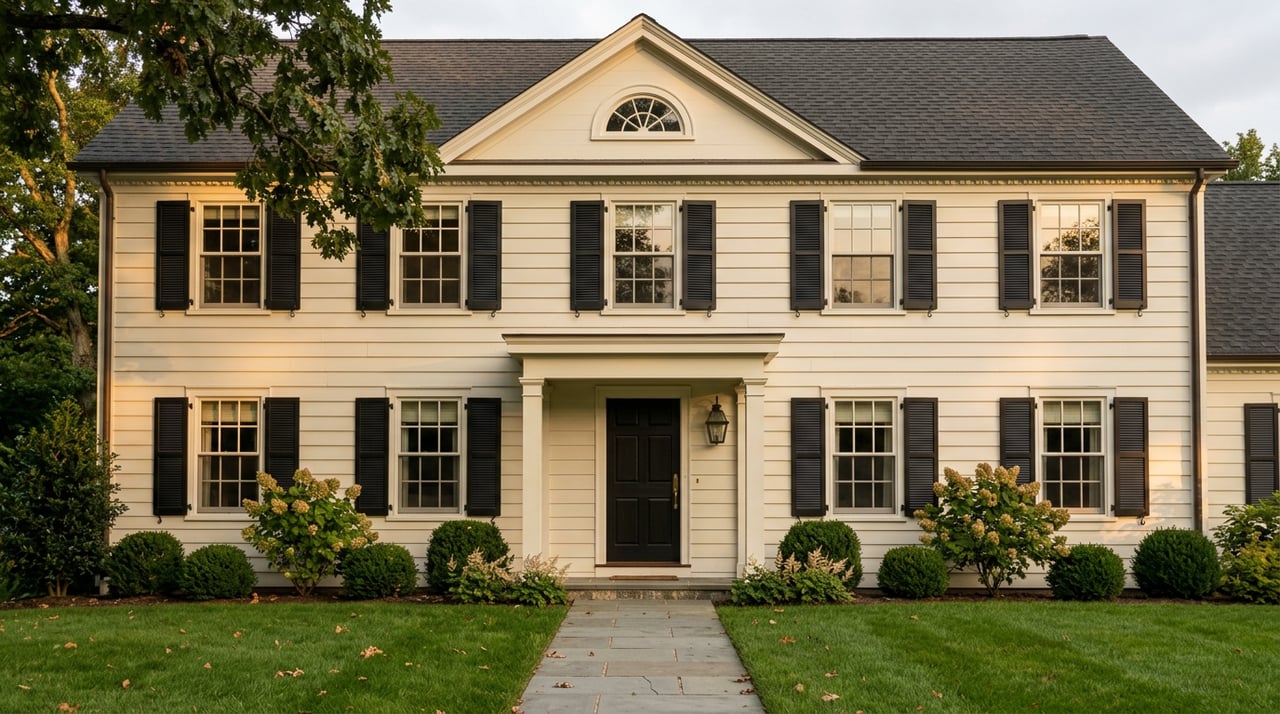
These homes favor symmetry, Flemish or common bond brick, classical door surrounds with fanlights or pilasters, double‑hung sash windows with shutters, and proportioned cornices. In NW DC, you will see both attached townhouses and freestanding mansion forms with these cues. For a concise overview of regional examples and influences, consult the Society of Architectural Historians’ Archipedia entry for DC.
Where you see them
Georgetown hosts many Federal and Georgian townhouses, while Kalorama and Sheridan‑Kalorama include large Classical and Beaux‑Arts mansions, many now embassies or high‑end residences. You will also find revival‑era homes in pockets of Cleveland Park and Chevy Chase DC.
How they live and modernize
Interiors often feature larger formal rooms and high ceilings. Sensitive updates usually rework kitchens and bathrooms while preserving principal rooms and original millwork. The Secretary of the Interior’s Standards provide clear guidance on balancing efficiency with preservation.
Mid‑century and Modern Movement: light, landscape, amenity
What to look for
Post‑war apartment and garden‑apartment blocks emphasize flat roofs, simplified ornament, larger window expanses, and landscaped setbacks. Along NW corridors like Connecticut and Massachusetts Avenues, you will find mid‑century buildings that reflect these ideas, as noted in professional summaries of Modern Movement architects and works.
How they live today
Mid‑century apartments often provide open‑plan living, integrated kitchens, and building amenities that historic rowhouses typically lack. Select infill houses in and near NW pick up Modernist cues with clean lines and extensive glazing.
Contemporary custom and infill: crisp lines, open volumes
What to look for
Recent builds and renovations favor large glass areas, minimalist palettes, roof terraces, and sculptural massing. You will see these as custom single‑family homes, full‑lot new construction in high‑value pockets, and as discreet rooftop additions set back on historic rowhouses.
Where you see them
Work is visible in Logan Circle and along the Dupont and 14th Street corridors, as well as parts of Kalorama and Spring Valley. Many of the boldest expressions are on the interior. For a representative example of a modernized historic rowhouse, review this Logan Circle renovation profile.
What to expect when you renovate
Common modernization moves
- Move or open the kitchen to the parlor level, then extend at the rear to create a larger kitchen‑dining‑family space. Basement finishes often add media or office suites. See an open‑plan example in the Washington Post’s Mount Pleasant case study.
- Consider rooftop additions or decks with careful setbacks. Visibility from public streets is a key concern for historic review. The D.C. Historic Preservation Office and Review Board regularly evaluate roof and rear additions, which you can see reflected in public HPRB notices.
- Plan for systems upgrades. Many older homes need complete HVAC, wiring, and plumbing updates. The Secretary’s Standards encourage preserving character‑defining features while improving efficiency.
- Weigh window repair versus replacement. Preservation guidance often favors repair with storm windows, which can deliver energy performance while retaining historic fabric. See the Whole Building Design Guide’s sustainability guidance for context.
Permits and review
Many NW neighborhoods are in local or national historic districts. Exterior alterations that are visible from the public way, rear additions that change massing, and rooftop structures often require Historic Preservation Office review, sometimes with a public hearing before the HPRB. You will still need building permits, and ANC involvement can affect timelines. Build lead time into your schedule and align design choices with the Secretary’s Standards.
Buyer and seller due diligence
- Masonry and repointing. Older brickwork needs correct mortar and attention to vapor permeability.
- Environmental health. Pre‑1978 finishes may contain lead paint, and some insulation and older materials can include asbestos. Plan professional evaluation.
- Light and layout. Deep rowhouse plans can limit natural light. Designers often solve this with rear glazing or a light well.
- Party‑wall conditions. Sound, structural ties, and fire separation are common topics in rowhouse renovations.
Plan your next move
Whether you are drawn to a Wardman on a tree‑lined block, a Tudor row in Foxhall Village, a Federal townhouse in Georgetown, or a modern rebuild in Spring Valley, the right guidance helps you balance character, comfort, and long‑term value. If you want a confidential conversation about purchase strategy, sale timing, Private Exclusives, or how preservation review could shape your plans, connect with Natalie Hasny for a discreet, data‑informed consultation.
FAQs
What are the main home styles in Northwest DC?
- You will see early 1900s Wardman rowhouses, 1920s–30s Tudor Revival rows, Colonial and Federal revival townhouses and mansions, mid‑century apartments along major avenues, and select contemporary infill.
Are NW DC homes protected, and can you alter them?
- Many blocks sit in local or national historic districts, which means exterior changes visible from the street often require HPO or HPRB review aligned with the Secretary’s Standards; interior‑only work typically needs building permits but not preservation review.
Can you add a roof deck or pop‑top in a historic district?
- It depends on visibility and compatibility, and approvals take time; HPRB notices regularly include roof decks and rear or roof additions, which shows how closely these are reviewed, so plan early and reference recent HPRB public notices.
Where can you see authentic Tudor Revival rows in DC?
- Foxhall Village is a cohesive 1920s example of the style, with about 300 Tudor‑style rowhouses documented in the historic district nomination.
How are Wardman rowhouses commonly modernized?
- Most owners open the parlor level for kitchen, dining, and living, finish lower levels, and add modest rear expansions, approaches documented in the Bloomingdale Historic District nomination.