If you are exploring luxury living in Northwest DC, one truth becomes clear fast: these neighborhoods may share a quadrant, but they offer very different versions of daily life. You may want walkable streets and a visible social scene, or you may be drawn to privacy, architecture, and a quieter residential setting. This guide will help you picture how Georgetown, Kalorama, Kent, and American University Park feel throughout the day so you can better understand which Northwest DC luxury neighborhood fits your lifestyle. Let’s dive in.
What luxury means in Northwest DC
In Northwest DC, luxury is not defined by square footage alone. It often comes down to a mix of historic character, preserved streetscapes, access to parks, proximity to cultural institutions, and how connected you feel to the city.
That is why these four neighborhoods stand apart. Georgetown is the most public-facing and retail-rich, Kalorama is the most diplomatic and mansion-oriented, Kent is the most secluded and estate-like, and American University Park feels the most residential and suburb-like.
Meet the four neighborhoods
Georgetown at a glance
Georgetown is one of the oldest and most recognizable neighborhoods in Washington. Ward 2 describes it as a village older than the District itself, and it is both a National Historic Landmark and the first historic district in Washington.
Its daily rhythm is shaped by a strong mix of homes, restaurants, shops, institutions, and the waterfront. The Georgetown BID notes that the neighborhood includes more than 470 shops, restaurants, and institutions, along with more than 100 restaurants representing over 50 ethnicities.
Kalorama at a glance
Kalorama is best understood as two related historic districts: Sheridan-Kalorama and Kalorama Triangle. Official district descriptions point to revival architecture, late Victorian buildings, townhouses, detached homes, apartment buildings, embassies, and large stone and stucco mansions.
The overall feel is elegant and preserved. It is one of the clearest examples in DC where historic fabric and diplomatic presence shape the experience of living there.
Kent at a glance
Kent offers a different kind of luxury. Ward 3 materials describe it as a large upscale neighborhood with individual estates and modernist homes on gracious wooded lots, set within a largely residential area with tall trees, parks, and cul-de-sacs.
If Georgetown is the neighborhood that presents itself to the city, Kent is the one that pulls inward. Here, the setting does much of the work, with wooded lots and a quieter residential landscape taking center stage.
American University Park at a glance
American University Park, often called AU Park, has a more classic upper Northwest residential feel. Ward 3 planning materials describe an area shaped by detached homes and a 1920s and 1930s pattern of bungalows and revival-style houses, including Foursquare, Cape Cod, Dutch Colonial, and Tudor examples.
Its luxury is quieter and more domestic. You are more likely to notice tree-lined blocks, detached homes, and an everyday neighborhood rhythm than a destination retail scene.
How each neighborhood feels by time of day
8 a.m. in Northwest DC
At 8 a.m., Georgetown already feels active. You can expect movement around cafés, sidewalks, university-adjacent streets, and the waterfront, with a level of visible street life that is higher than in the other three neighborhoods.
Kalorama feels calmer in the morning. Its residential blocks, embassies, and historic homes create a quieter start to the day, with activity centered more on routine neighborhood movement than a strong commercial pulse.
Kent feels the most retreat-like at this hour. The combination of wooded lots, estate-scale homes, and limited commercial activity gives it a private, tucked-away quality.
AU Park has an easy residential rhythm in the morning. Its streets feel lived-in and steady, shaped by detached homes, neighborhood routines, and access to nearby campus and transit connections.
2 p.m. in Northwest DC
By midafternoon, Georgetown is still very much on display. Shops, restaurants, the waterfront, and the C&O Canal area give it a strong daytime presence that continues well beyond the morning hours.
Kalorama at 2 p.m. feels polished and composed. The neighborhood’s visual identity comes through in its architecture, green spaces, and nearby museum network, including the President Woodrow Wilson House, The Phillips Collection, and Anderson House within the wider Dupont-Kalorama area.
Kent stays quiet in the afternoon. This is where the idea of luxury often feels tied to space, greenery, and separation from busier commercial corridors.
AU Park remains steady and residential. It feels connected to the city, but in a softer way, with daily life shaped more by home, campus adjacency, and nearby transit than by tourism or destination retail.
8 p.m. in Northwest DC
In the evening, Georgetown is the clearest choice if you want visible energy. With waterfront dining, a dense restaurant scene, and an established shopping and dining district, it has the most active nighttime identity of the four.
Kalorama feels refined and quiet at night. It offers proximity to Dupont Circle and surrounding cultural destinations, but its own streets tend to read as more residential and composed.
Kent is the most private after dark. The neighborhood’s low-key, wooded setting supports a lifestyle centered on home and privacy rather than public activity.
AU Park also settles into a calm evening rhythm. It is the kind of neighborhood where the appeal is more about residential comfort and connection than nightlife.
Architecture and setting
Georgetown architecture and preservation
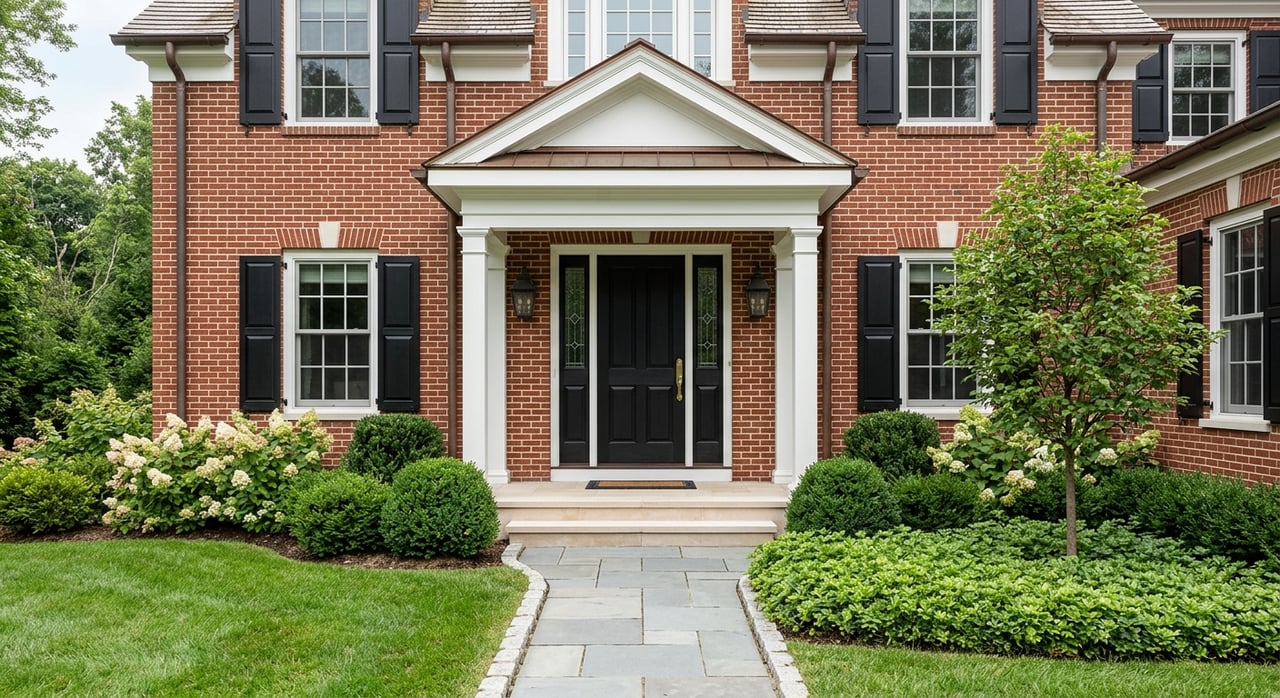
Georgetown delivers the densest historic character of the group. Its built environment includes Federal-era architecture, historic brick and frame rowhouses, cobblestone streets, and grand estates.
It is also the most externally regulated of these neighborhoods. Because Georgetown is a historic district and National Historic Landmark, exterior work is reviewed through overlapping DC and Old Georgetown processes, which helps explain why the area feels so visually consistent.
Kalorama architecture and presence
Kalorama is the most mansion-oriented and diplomatic in feel. Sheridan-Kalorama includes Colonial and Georgian forms along with late Victorian buildings, while Kalorama Triangle adds attached houses, apartment blocks, and small green pockets.
The result is a neighborhood with strong visual identity and a preserved sense of elegance. It feels residential, but with a level of architectural formality that stands out even within Northwest DC.
Kent architecture and landscape
Kent is defined less by a single architectural vocabulary and more by its setting. Official descriptions highlight estate properties, modernist homes, and gracious wooded lots, which together give the neighborhood a spacious and secluded feel.
This is where the land itself becomes part of the luxury story. Homes feel more embedded in landscape, and the streetscape reads as quieter and more private than in the other neighborhoods.
AU Park architecture and character
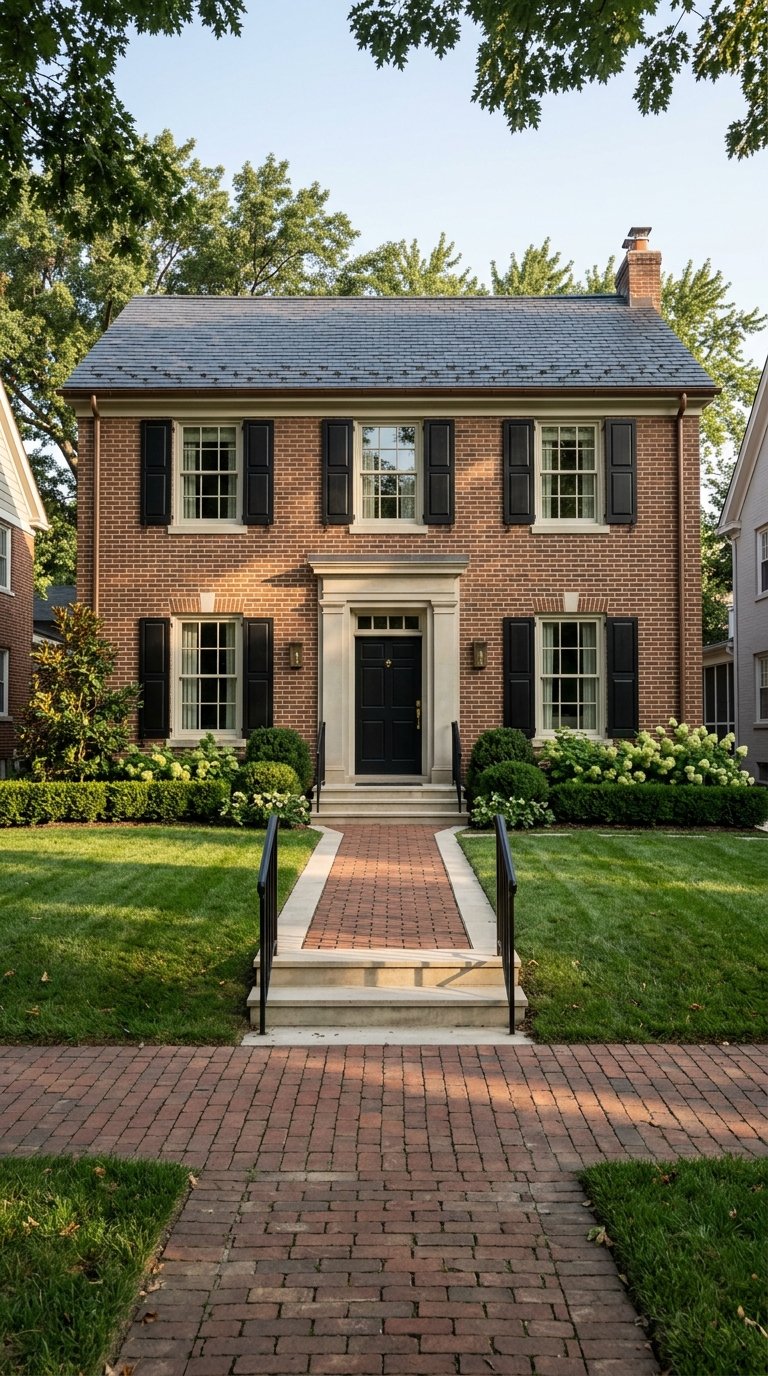
AU Park has the most traditional residential mix of the four. The neighborhood developed with bungalows and revival-style houses in the 1920s and 1930s, and that pattern still shapes its identity today.
Its charm comes from consistency and livability. Rather than dramatic public streets or embassy-scale homes, you get a neighborhood defined by detached houses, tree-lined blocks, and a classic upper Northwest feel.
Parks, museums, and outdoor time
If green space matters to you, each neighborhood offers a different experience. In Kalorama, Kalorama Park serves as a central green space, and planning materials describe it as a three-acre triangular park whose path system reflects older estate grounds beneath it.
In Georgetown, Georgetown Waterfront Park adds 10 acres of recreational space, while the C&O Canal towpath begins in the neighborhood and runs 184.5 miles to Cumberland. Tudor Place also contributes a distinct historic landscape with its 5.5-acre estate and formal gardens.
Near Kent, Battery Kemble Park and Glover-Archbold Park add another dimension to daily life. Glover-Archbold Park spans 183 acres, giving this part of Northwest DC a strong relationship to wooded open space.
For Kalorama and the wider nearby area, cultural anchors include the President Woodrow Wilson House, The Phillips Collection, and Anderson House. These institutions reinforce the idea that luxury in DC often includes access to history, landscape, and culture within a short distance.
Dining, retail, and street life
If you want the strongest restaurant and shopping scene, Georgetown is in a category of its own among these four neighborhoods. The Georgetown BID describes a district with more than 470 shops, restaurants, and institutions, plus over 100 restaurants and waterfront dining at Washington Harbour.
Kalorama, Kent, and AU Park are more residential by comparison. Their lifestyle appeal is less about a concentrated commercial core and more about the balance of residential setting, nearby institutions, and access to surrounding corridors.
That difference matters when you picture daily life. Georgetown gives you the most visible street life, while the others offer a quieter pace and a more inward residential experience.
Getting around without a car
Transit and mobility vary meaningfully across these neighborhoods. Kalorama is walkable to Dupont Circle transit and close to Metrobus service, including routes on Massachusetts Avenue.
Georgetown does not have its own Metro station. The neighborhood relies on nearby stations such as Foggy Bottom-GWU and Rosslyn, along with buses, bikes, and water taxis.
AU Park is the easiest of these four to frame around a clear Metro connection. The area is linked to the Tenleytown-AU Red Line stop, the AU Shuttle, and several Metrobus routes.
Kent is the least transit-oriented of the group. Based on Ward 3 descriptions and broader bus service in the corridor, it is most accurately understood as the most car-centered of these four neighborhoods.
Which neighborhood fits your lifestyle?
If you want privacy, Kent is likely the strongest fit. Its wooded lots, estate-scale properties, and quiet residential setting make it feel the most removed from the city’s busier public spaces.
If you want visible street life, Georgetown stands out. It offers the most active mix of dining, shopping, waterfront activity, and public energy.
If you want preserved elegance with diplomatic character, Kalorama brings that combination into focus. It feels formal, historic, and residential, with a strong architectural identity.
If you want a more traditional detached-home setting with easier transit access, AU Park deserves close attention. It offers a quieter, everyday form of luxury rooted in neighborhood rhythm and residential character.
Northwest DC luxury is not one thing, and that is part of its appeal. If you are weighing where to buy or how to position a home in this market, a clear understanding of neighborhood feel can make all the difference. For discreet, highly informed guidance on Northwest DC luxury real estate, connect with Natalie Hasny.
FAQs
Which Northwest DC luxury neighborhood feels most private?
- Among Georgetown, Kalorama, Kent, and American University Park, Kent reads as the most private because Ward 3 materials describe wooded lots, estate-scale homes, and a quiet residential setting.
Which Northwest DC luxury neighborhood has the most street life?
- Georgetown has the most visible street life, supported by its mix of more than 470 shops, restaurants, and institutions, along with a large dining scene and active waterfront.
Which Northwest DC neighborhood is most historic?
- Georgetown is the most historically dense and externally regulated of the four, while Kalorama also has a strong preservation story through the Sheridan-Kalorama and Kalorama Triangle historic districts.
Which Northwest DC luxury neighborhood is easiest without a car?
- American University Park and Kalorama offer the clearest transit advantages in this group, with AU Park tied to the Tenleytown-AU Red Line and Kalorama close to Dupont Circle transit and Metrobus routes.
What defines luxury living in Northwest DC neighborhoods?
- In these Northwest DC neighborhoods, luxury is often shaped by historic character, architecture, parks, cultural institutions, privacy, and access to transit or neighborhood amenities, not just home size alone.